Spa & Wellbeing
Therapy Philosophies
31.05.2022
We now consider making use of therapies in the spa menus to add a holistic value to our self-care.
But, do we wonder what the starting points of some of these therapies are while we are benefit from them? Let's discover the most basic and most effective therapy philosophies of spa practices together, which become the basis when figuring out the concepts of SPA & Wellness centers.
Phytotherapy, or in other words treatment with plants, dates back thousands of years and in recent years it has become one of the best alternatives to modern medicine. While being very common in Europe, phytotherapy is only carried out by experts. Some of the phytotherapy methods include; the application of medical herbs, essential oils and seaweed through massage, dressing, steam, inhalation, and herbal tea. Phytotherapy is especially effective in chronic and acute diseases, depression, weight loss, edema removal, strengthening the immune system, and improving heart health.

Born from the word “Thalassa” meaning sea; healing methods created with sea water, seaweed and other ingredients from the sea are called thalassotherapia. Applied with sea products rich in minerals and vitamins, thalassotherapy is a therapy that provides a balancing repair and care to our body and is the main focus of some spa centers. Thalasso centers must be located at least 1000 m away from the seaside, offering a variety of applications such as free sea bathing, sea spa cures, drinking and breathing cures, balneo, affusion showers, skin care, body wraps and peeling. The water used in thalassotherapy should not be kept no longer than 48 hours, and the temperature of the water should never go above 50°C. Among the positive effects of the therapy are; acceleration of the metabolism, removal of toxins with intensive mineral intake, weight loss, elimination of fatigue and skin disorders, strengthening of muscles and relaxation of the respiratory system.
If you would like to know more , you can read 'What is Thalassotherapy?' article on our website.
The Medi-SPA philosophy is a combination of high-tech options with traditional spa services. Centers that adopt this approach house cosmetic and pharmaceutical products, equipment, therapists and specialist medical practitioners together. While these centers offer the spa and wellness care that we are accustomed to they can also realize esthetic procedures and surgeries related to the face, body, hair and dental care through the use of high technology.
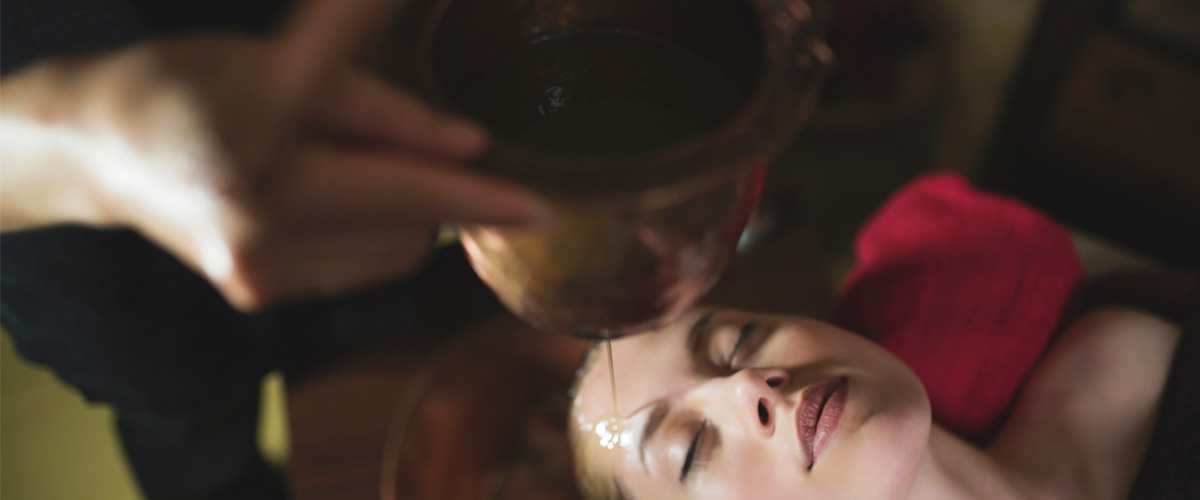
Ayurveda is a traditional Indian medicine, meaning "science of life". Ayurveda, a 5000-year-old natural healing system based on Vedic culture, is a collection of wisdom that aims to help the human body realize the upper limit of its potential and stay balanced and fit in every way. Ayurveda consists of 3 energy systems: Vata (wind), Pitta (fire) and Kapha (water). Care programs are created according to the energy levels of each individual. Among the valuable contents of Ayurveda are; various herbs, oils, aromatherapy, diet, massage, yoga and meditative practices. It has significant benefits for issues such as stress reduction, weight loss, insomnia, skin and hormone problems, and it also provides significant support to the immune system, thus, preventing us from getting sick.
In traditional Chinese medicine, the basis is built upon the life energy called Chi and the relationship between this energy and the "Wu Xing", that is, the 5 elements (water, wood, fire, earth, metal). In this therapy philosophy, diseases are believed to be caused by an imbalance, and therefore, practices such as medicinal herbs, acupuncture, massage, gua sha, cupping therapy, meditation and diet are used to balance and improve the free flow of Chi circulating through meridian channels connected with the functions of the body. In addition to improving well-being, traditional Chinese medicine can be used in the treatment of various conditions such as allergies, anxiety, back pain, fertility, menopausal symptoms, obesity, Parkinson's disease, skin problems, high blood pressure, joint inflammation, etc.
Kneipp Kur is a therapy philosophy that was founded by the famous Bavarian pastor Sebastian Kneipp in Europe in the 19th century and played a major role in the attainment of today's spa. Kneipp therapy is a holistic 5-step care cure made up of hydro (water), phyto (herbal), dietetic (nutrition), kinesis (movement) and regulative (regulating). One of the most common hydrotherapy methods is the continuous use of hot and cold water. As it supports the general health status along with the immune system, it can also be preferred in specific cases such as varicose treatment and insomnia.
Spa treatments are a necessity for all of us for a healthier life and a calmer soul. In this article we touched upon the therapy philosophies that underline the care applied in spa centers. Keep following Spatopia for more helpful content on spa culture!
The seven chakras are the seven instruments that uniquely orchestrate the energetic symphony of our being... They...
Read more
Ayurveda is a holistic ancient teaching advocating that each of us has a unique energy balance like a fingerprint....
Read more
Developing a strong sense of wellbeing during the teenage years is one of the most valuable keys to living a...
Read more