Treatment & Therapy
What is Thai Massage?
16.08.2022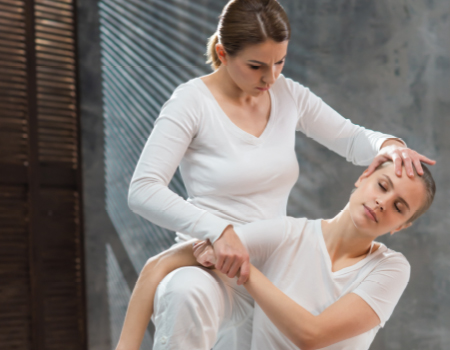
Thai massage is a therapeutic practice that differs from many other types of massage in various aspects like the techniques applied, the products used and the space dynamics. So, what exactly is Thai Massage and how is it different from other massages? Let’s take a look…
Thai massage, also known as Thai yoga massage, may be discerned as an ancient therapeutic practice that combines assisted yoga and acupressure techniques. It is applied through energetic kneading movements of the therapist on our body’s energy pathways called Sen, along with yogic stretching movements performed in cooperation with the therapist.
In Thailand, this massage is usually referred to as Nuat Thai or Nuat Phaen Boran. In Thai language, “nuat” means “massage” and “boran” corresponds to “ancient”.
It is believed that Thai massage had been created more than 2500 years ago by Jivaka Komarabhacca, the “Father Doctor” as tributed by Thai people, who was Buddha’s friend and his personal physician, and along with the Thai massage, had made great contributions to alternative health fields including Ayurveda and Asana. Thai massage, which is regarded as an integral part of Buddhist philosophy and has been practiced all over the world since the 1980s, was further added to the Cultural Heritage of Humanity list by UNESCO in 2019.
In conventional massages like Swedish massage, you usually lie on the massage table, fully or half undressed, and your therapist will apply soothing touches on your body, along with accompaniments such as oils, hot stones or crystals.
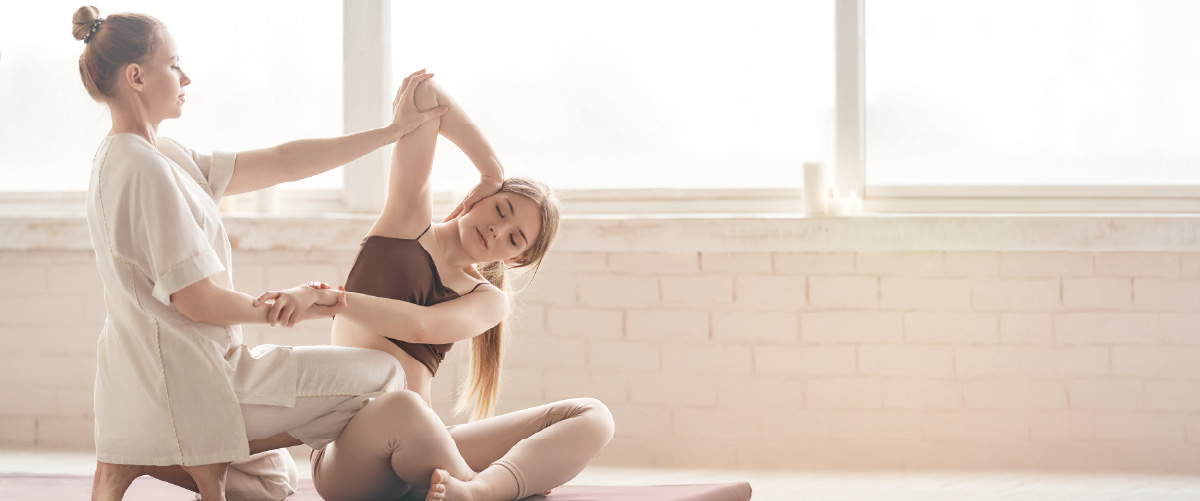
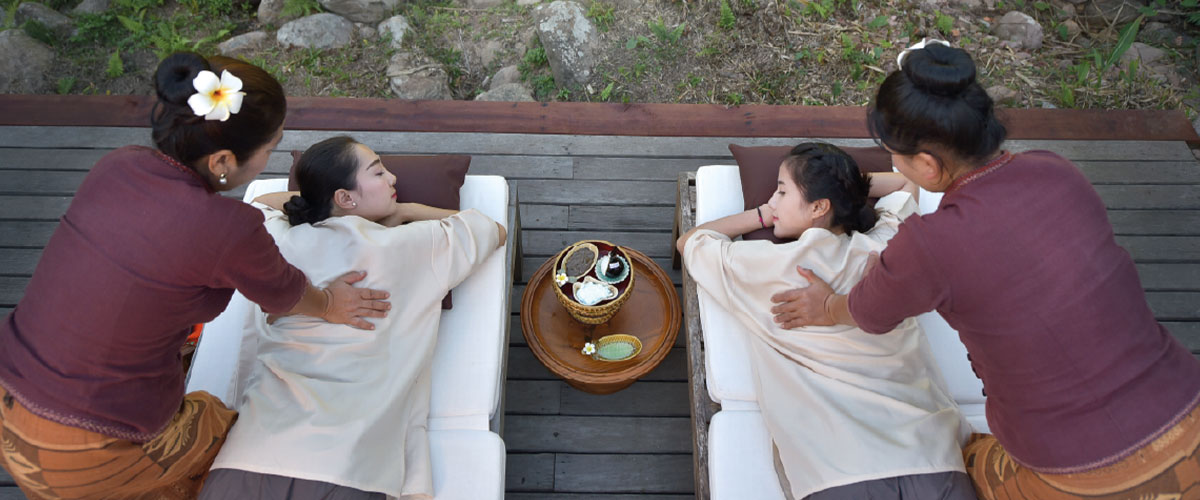
In Thai Massage, on the other hand, you lie on a mat or a futon mattress on the floor, not on the massage table. The massage is applied with you wearing loose and comfortable clothes that are either brought in person or usually provided by the spa center. Moreover, additional products such as oil, lotion, stones are not used during the massage. This therapy, which usually takes around 90 minutes in the West, can take up to two hours when taken traditionally in Thailand.
In Thai massage, you first lie down on your mat and your therapist starts with rhythmic movements from your feet and moves upwards with dynamic and gentle pressures, followed by stretching movements on your legs, hips and waist to support your blood circulation, flexibility and energy flow. Your therapist uses his/her hands, elbows, knees, and feet to guide your joints through an array of stretching, shaking, and compressing movements; and directs your body to certain yogic positions accompanied by breath exercises. Your massage looks like a serene couple’s yoga led by your therapist, but you remain as the receiver; in other words, the only contribution you usually need to make is to let yourself go with the guiding movements of your therapist while consonantly breathing in and out.
According to scientific studies made so far, the benefits of Thai massage are as follows:
Relaxes your body: Thai massage helps you relax thanks to the stretching movements applied gently and rhythmically on your whole body.
Increases your mobility: Thai massage increases your mobility and flexibility with its unique blend of assisted stretching, acupressure, yoga and breath exercises.
Relieves your headaches: Numerous scientific studies indicate that severe chronic headaches including migraines are relieved by regular intake of the c-TTM, a special type of Thai massage, which specifically focuses on related energy channels with your headaches.
Reduces your back and neck pain: Provided that you get prior approval from your doctor, Thai massage can help reduce your back and neck pain and even improve your posture disorders, as it brings comfort with massage and stretching movements in connected areas like your knees, hips and waist.
Promotes your inner energy: Since Thai massage is based on the energy channels called Sen affecting different aspects such as muscles, bones, mind, mood and awareness. physical problems like muscle tightness or joint pains; mental imbalances like difficulty in focusing or excess nervousness, and spiritual issues such as depression and anxiety blocks the corresponding energy pathways and thus disrupts the holistic energy flow in the body. Thai massage therapists, also utilizing “metta”, an integral part of therapy (called “loving kindness” in Buddhism), aims to restore the functions of the blocked Sens. Hence, at the end of the massage, you get to feel energetically recharged, more mindful and spiritually closer to your inner Self.
Lowers your stress: Thai massage can balance your stress-related hormones, in particular the sAA, specifically when combined with a good rest, as it stimulates your energy and mental and spiritual awareness while reducing contractions and tensions in the body.
Besides these benefits, Thai massage:
Thai massage is an intense and hard massage, hence can be dangerous for individuals with high blood pressure and heart conditions, as it may give rise to changes in your blood pressure and circulation. Likewise, if you have diabetes, osteoporosis, coronary artery diseases, etc., you are strictly advised to consult with your doctor before getting Thai massage.
Like in any other therapy, it is of great importance that you receive treatment from a trained and experienced therapist in Thai massage. It is further quite worthwhile that your therapist is skilled in adjusting the pressure and intensity to your health conditions and needs. However, if you are already in a recovery process, it would be a good idea not to choose this therapy until you have fully recovered, since it may slow down your recovery and cause additional injuries, no matter how lessened the pressure.
Due to the risk of miscarriage, pregnant women also are not advised to receive Thai massage during their pregnancy – although primarily in the first trimester, usually the entire pregnancy period is included. If you are wondering about what treatments you may receive during this miraculous, precious period, you can take a look at this article.
As a result, Thai massage is an unexampled therapy that has a pretty different place among other massage practices. It’s more like an awakening yoga ritual. And, as we mentioned above, it has a plethora of physical, spiritual and mental benefits. Definitely worth the experience!
Meet you in our other articles on healing treatments and therapies…Take care of yourself fondly…

Step into a realm where the soothing power of water, the calming essence of nature and the healing effect of herbs...
Read more
Our life is like a canvas; each stroke of the brush creates a unique masterpiece that tells the story of our...
Read more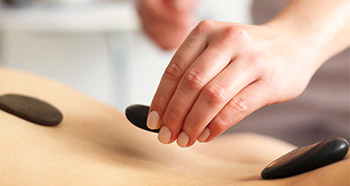
Body, mind, spirit... The three fundamental aspects of our...
Read more